Why Metal TIM Warpage Simulations Fail—And How To Fix Them
Original reporting by Semiconductor Engineering
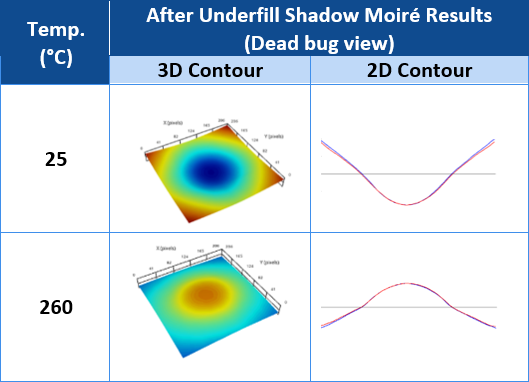
The accurate simulation of mechanical behavior in advanced semiconductor packages, particularly those incorporating metal thermal interface materials (TIMs), is a critical endeavor for optimizing design and reducing development costs. As AI and high-performance computing drive the adoption of these innovative thermal solutions, traditional simulation methods face significant hurdles. Predicting package warpage and stress through simulation is standard practice, but while models using well-characterized polymer TIM data are reliable, those relying on supplier-provided bulk material properties for newer metal TIMs frequently fail to match real-world package performance. This discrepancy arises because metal TIMs are implemented as thin films within packages, not as the bulk specimens typically used for material characterization.
The Characterization Solution
To bridge this crucial gap, a new study focused on characterizing film-type metal TIMs under conditions reflecting actual package assembly. Researchers conducted various material tests and discovered that rheometer testing — specifically designed to account for process-induced directional forces — yielded significantly different, and ultimately more accurate, material properties than other methods or bulk data. When these rheometer-derived properties were integrated into simulation models, the predicted warpage behavior of metal TIM packages precisely aligned with experimental shadow moiré measurements. This breakthrough underscores the vital importance of acquiring material data specific to the *actual film geometry and processing conditions* for metal TIMs, paving the way for more reliable design and reduced development costs in advanced semiconductor packaging.
This study definitively addressed a critical challenge in high-performance semiconductor packaging: the accurate simulation of metal thermal interface materials (TIMs). By meticulously comparing experimental warpage measurements with simulation results, it was revealed that supplier-provided bulk material properties for metal TIMs led to significant discrepancies in predicting real-world package behavior. The breakthrough came from identifying and validating the rheometer as a superior characterization method. Unlike traditional techniques, the rheometer accurately captures the mechanical properties of film-type metal TIMs under conditions that reflect actual package assembly, including process-induced directional forces. Incorporating these refined, rheometer-derived material properties into simulation models enabled an unprecedented level of agreement with experimental data, successfully replicating complex temperature-dependent warpage transitions.
Advancing Package Design
The implications of this research extend far beyond the specific metal TIMs investigated. It underscores a fundamental shift required in how advanced material properties are sourced and applied in semiconductor design. As AI, high-performance computing, and automotive applications demand ever-higher performance and thermal management, the industry's reliance on precise simulation for minimizing development costs and accelerating time-to-market becomes paramount. This work provides a robust framework for validating material models, paving the way for more reliable predictive simulations across a spectrum of novel materials. Moving forward, the methodology established here will not only streamline the development of next-generation thermal solutions but also significantly enhance the reliability and longevity of the sophisticated packages powering future technologies.
Frequently asked questions
- Why are accurate simulations of metal TIMs important for advanced semiconductor packages?
- Accurate simulations of metal thermal interface materials (TIMs) are crucial for high-performance semiconductor packages used in AI, HPC, and automotive applications. These packages generate substantial heat, making efficient thermal dissipation vital for performance. Predictive simulations help minimize costly prototype production and development time, but require precise material property data to match real-world behavior, especially for new metal TIMs.
- What is the key challenge in simulating mechanical behavior of metal TIMs in packages?
- The primary challenge in accurately simulating metal thermal interface materials (TIMs) stems from the difference between material properties measured from bulk specimens and those of thin films used in actual packages. Suppliers often provide data based on bulk materials, which have different mechanical responses when applied as thin films. This discrepancy leads to simulations that do not accurately predict real-world package warpage.
- How can the accuracy of metal TIM mechanical simulations be improved?
- To improve the accuracy of metal thermal interface material (TIM) simulations, it is essential to characterize material properties directly from film-type TIMs under conditions mimicking actual package assembly. Traditional bulk specimen data is often insufficient. Advanced testing methods, such as rheometer tests, can capture process-induced effects and directional forces, providing more realistic modulus values. Incorporating this application-specific data significantly enhances simulation reliability and predictive power.