AI Data Centers And Auto Industry Converge On Same Issues
Original reporting by Semiconductor Engineering
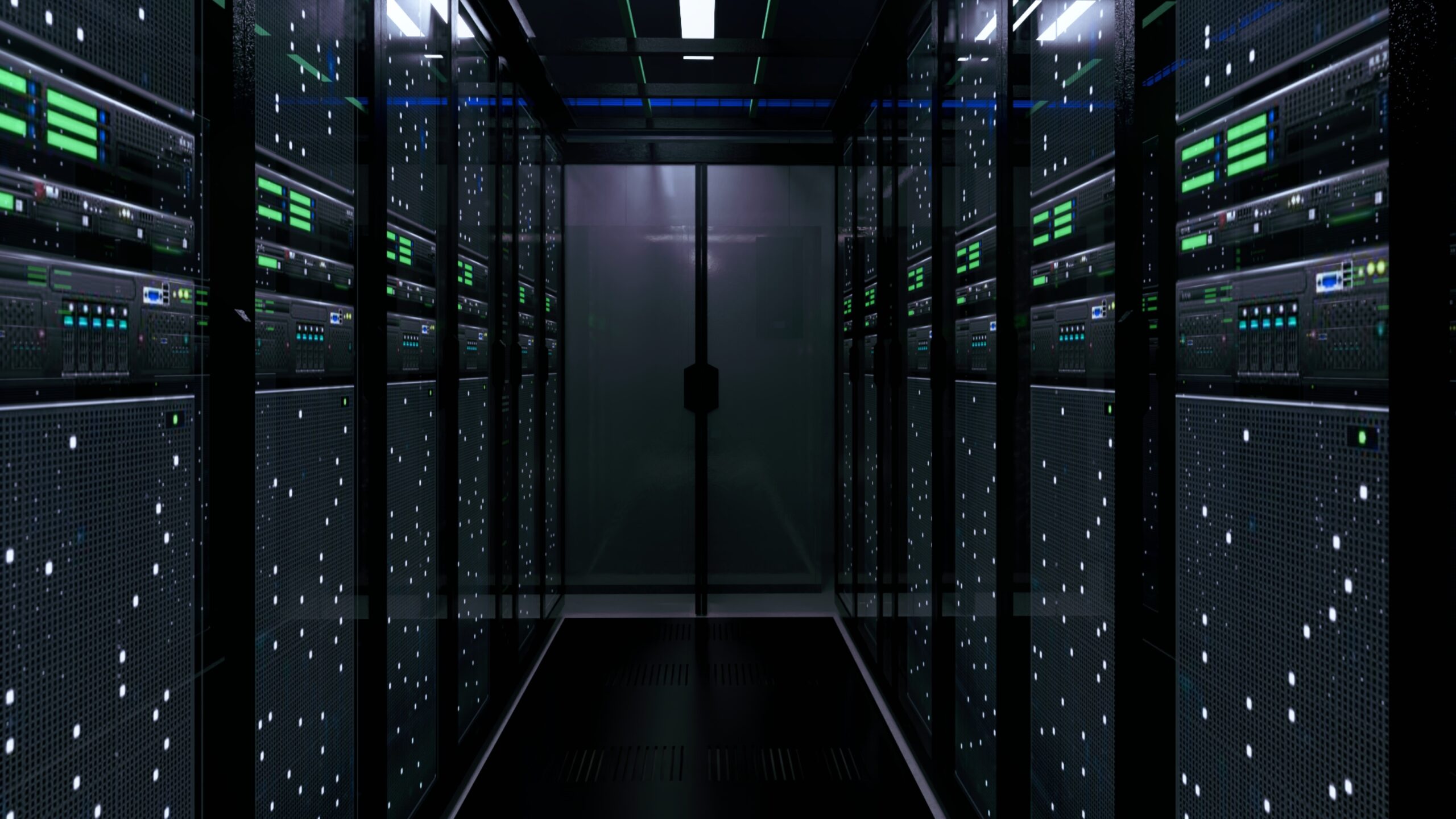
AI data centers refer to the specialized computing infrastructure designed to power artificial intelligence workloads, characterized by their immense and fluctuating energy demands. The insatiable appetite for compute power, necessary for faster and more accurate AI results, is pushing existing electrical grids to their limits, creating challenges ranging from brownouts to escalating operating costs. As a result, ensuring a stable, efficient, and reliable power supply has become a paramount concern for the industry, demanding innovative solutions beyond traditional data center paradigms.
Cross-industry solutions
Addressing this energy crisis involves a multi-pronged approach, drawing heavily on advancements in battery technology and energy management. Large-scale battery energy storage systems (BESS) are becoming central, providing backup against grid instability, smoothing demand spikes, and even leveraging "second-life" electric vehicle batteries. Intriguingly, the automotive and AI data center sectors are converging, sharing breakthroughs in high-voltage architectures, bidirectional charging, and sophisticated battery management software. This collaboration extends to integrating alternative energy sources like solar and wind directly at data center sites, alongside exploring higher voltage power distribution using advanced materials like silicon carbide (SiC) and gallium nitride (GaN), all aimed at achieving greater compute density and grid independence. This synergistic approach is not only vital for AI's continued growth but also redefines the future of industrial power consumption.
The insatiable energy demands of AI data centers, set against the backdrop of strained global power grids, represent a defining challenge of our era. The emerging path forward is a sophisticated, multi-pronged strategy: integrating advanced battery energy storage systems for grid stability and peak load management, deploying cutting-edge materials and chip architectures for higher voltage and power efficiency, and diversifying energy supply through a mix of on-site renewables and strategic grid connections. A pivotal accelerator in this evolution is the remarkable cross-pollination of innovation between the AI data center and automotive sectors, where shared needs in high-voltage power electronics, sophisticated battery management, and digital twin technology are driving rapid progress.
Broader implications
This symbiotic relationship signals a fundamental reshaping of our energy landscape. We are moving towards a more intelligent, resilient, and potentially decentralized grid, where infrastructure like AI data centers and even electric vehicles will function as active, bidirectional energy assets, capable of optimized consumption and, eventually, contributing excess power back to the public grid. While this promises to unlock new levels of efficiency and operational resilience for critical compute, it also foreshadows significant broader impacts, including heightened demand that could influence utility rates for general consumers and accelerate the adoption of hybrid or off-grid power solutions for major industrial players. The relentless pursuit of AI's capabilities is thus poised to fundamentally transform how societies generate, distribute, and consume power, prioritizing intelligent energy orchestration as a cornerstone of future economic and technological advancement.
Frequently asked questions
- Why do AI data centers demand significantly more power than traditional data centers?
- AI data centers require immense energy due to the computational intensity of AI tasks. Unlike conventional data centers, they experience frequent and extreme fluctuations in demand, up to ten times greater. This variability, combined with the sheer volume of "joules" needed for complex AI jobs, necessitates robust energy management and storage solutions to prevent grid disruptions and ensure continuous operation.
- What advanced energy solutions are AI data centers adopting to manage high power demands?
- AI data centers are implementing multi-faceted energy solutions. These include sophisticated battery energy storage systems (BESS) for backup and peak load management, often incorporating bidirectional charging. They also leverage alternative energy sources like solar and wind, and explore on-site generation to achieve grid neutrality. Furthermore, new materials and chip architectures are being developed to handle higher voltages, increasing power density.
- How are electric vehicle and AI data center technologies converging on energy challenges?
- The electric vehicle (EV) and AI data center sectors are increasingly sharing innovations to address energy challenges. EVs have driven advancements in high-voltage battery packs, bidirectional power electronics, and sophisticated battery management systems (BMS). AI data centers are now adopting these technologies for large-scale energy storage and smarter grid interaction. Both industries benefit from cross-pollination, accelerating the development of more efficient and sustainable power solutions.