Who (or What) Generates Images for EFF?
Original reporting by Electronic Frontier Foundation
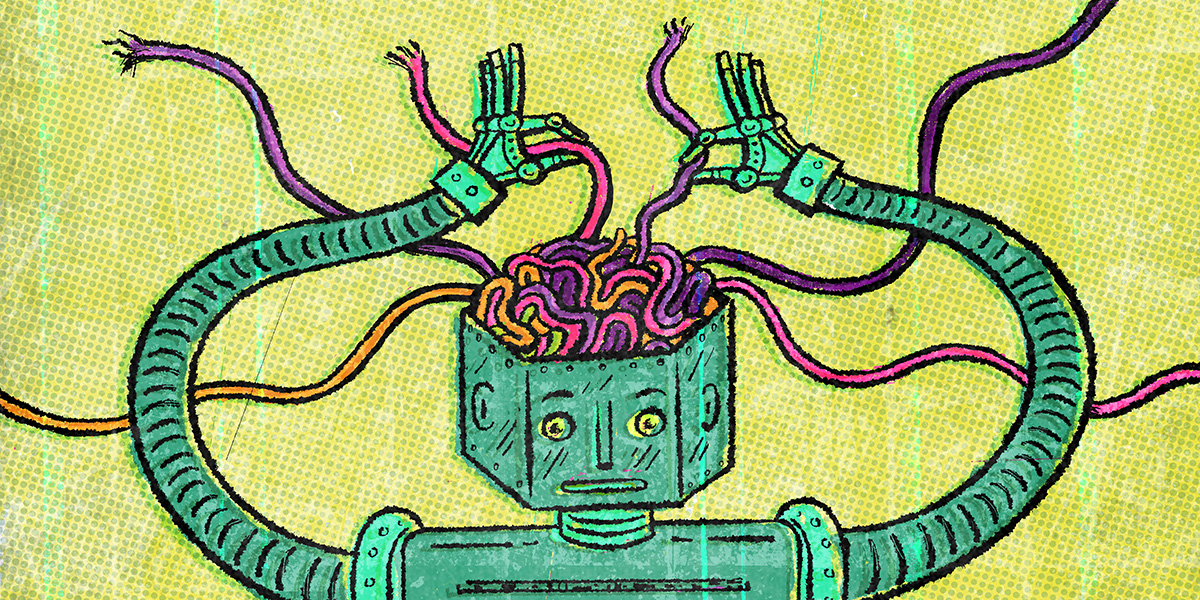
The Electronic Frontier Foundation (EFF) has clarified its internal policy on image creation, affirming a strong preference for human-generated artwork across its digital platforms and merchandise. Responding to supporter inquiries, the digital rights advocacy group confirmed that nearly all visuals accompanying its articles and campaigns are crafted by human designers, with only rare, specified exceptions. This approach is rooted in principles of expertise and authenticity. EFF designers leverage years of consultation with the organization’s legal and technical teams, imbuing images with informed perspectives that clarify complex issues and deeply engage supporters. This human touch also reinforces the authenticity of their content, mirroring the expert, human-written information readers expect from EFF.
Strategic Safeguards
Beyond aesthetic preference and creative control, a significant driver for this policy is risk mitigation. By largely eschewing AI image generators, EFF meticulously avoids potential copyright disputes that could arise from AI-generated content, which can sometimes incorporate copyrighted material. This proactive stance safeguards their ability to advocate for digital rights, including fair use, without legal entanglement. To ensure transparency, EFF will now credit all banner images with "Image created by EFF," noting any rare instances where AI elements are minimally incorporated. This internal design decision, while consistent with EFF's brand, does not diminish their broader commitment to defending the development and legitimate use of AI technologies.
Ultimately, EFF's transparent policy regarding human-generated imagery is a deliberate choice, reflecting a foundational commitment to authenticity, expert insight, and legal clarity. While recognizing the innovative potential of AI tools and defending the rights of developers and legitimate users, the organization has opted for a predominantly human-centric approach in its visual communication, now clearly denoted by "Image created by EFF" credits. This stance ensures that the visual elements accompanying their critical work uphold the same standards of integrity and informed perspective as their written content, reinforcing trust with their audience and aligning with their broader mission to champion digital rights.
A Broader Perspective
This internal decision, however, extends beyond the EFF’s specific operational guidelines, serving as a compelling case study for a wider industry grappling with generative AI. It highlights a burgeoning demand for transparency in content provenance, as organizations and consumers alike increasingly seek clarity on whether images, text, or multimedia are human-crafted or AI-generated. EFF's position underscores the enduring value of human expertise, creativity, and accountability in an era of rapid technological advancement, suggesting that a "human-made" label may well become a significant differentiator in establishing credibility and emotional connection. As AI capabilities continue to evolve, the choices made by institutions regarding their integration will shape future ethical frameworks, intellectual property debates, and public expectations, fundamentally redefining the relationship between technology, art, and information in the digital age.
Frequently asked questions
- Does the Electronic Frontier Foundation (EFF) use AI image generators for its website content?
- The Electronic Frontier Foundation (EFF) primarily uses human-created images for its website, blog posts, and merchandise. This internal policy stems from a desire to leverage human designers' expertise and maintain authenticity consistent with human-written content. While supporting the development of AI tools, EFF designers prefer the aesthetic and control offered by human artistry, ensuring images align with their brand and mission.
- Why do some organizations choose human-made artwork instead of using AI image generators?
- Organizations often choose human artwork for several reasons. These include leveraging expert human insight to create more nuanced and engaging visuals, ensuring authenticity that complements human-written content, and exercising greater artistic control. Copyright concerns regarding AI-generated content, especially when using open licenses like Creative Commons, also motivate some to prefer original human creations to avoid potential legal disputes.
- What are the potential copyright issues when using images created by AI generators?
- Using AI-generated images can present complex copyright challenges. The ownership of AI-created content is often debated, and generators might inadvertently produce images similar or identical to existing copyrighted works, leading to potential infringement claims. This uncertainty can complicate licensing and distribution, particularly for organizations that rely on clear intellectual property rights, like those using Creative Commons licenses, and aim to avoid legal disputes.