Victory! 702 has Expired!
Original reporting by Electronic Frontier Foundation
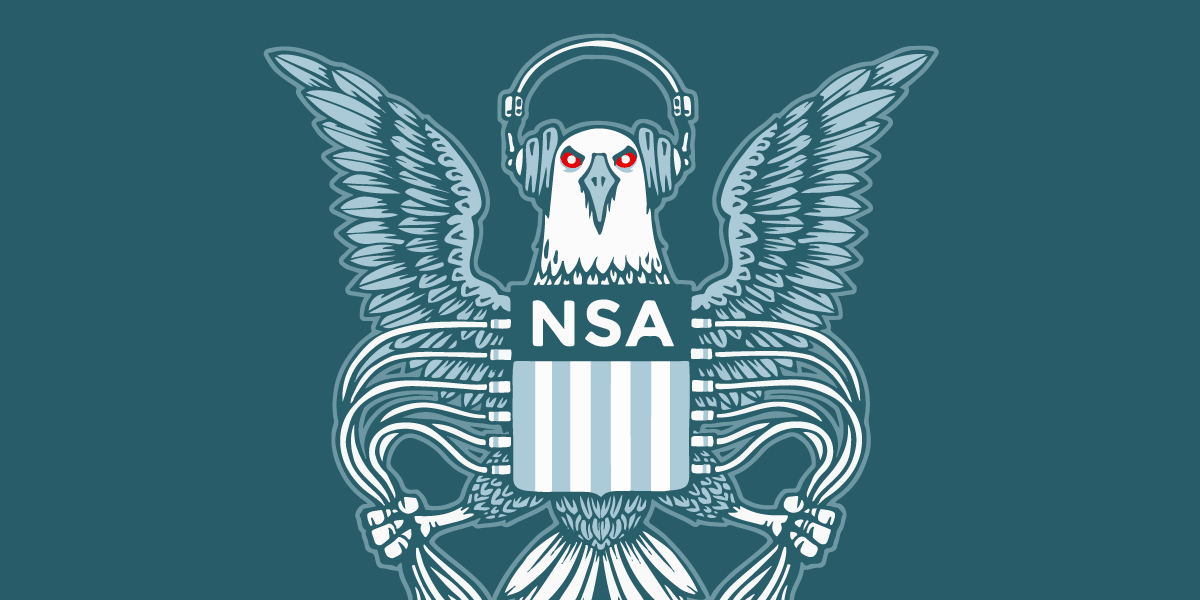
Section 702 of the Foreign Intelligence Surveillance Act (FISA) has long been a contentious cornerstone of U.S. intelligence, enabling agencies to collect communications from foreigners abroad without a warrant. In practice, this authority routinely "sweeps in" the digital communications — emails, messages, and calls — of countless Americans, raising significant privacy concerns. For months, Congress has been engaged in a legislative dance, repeatedly kicking the ball down the road on its reauthorization, hoping to forge a consensus on its future before its impending expiration.
An Unexpected Catalyst
This time, however, the ball dropped. The controversial program, which privacy advocates have consistently called to either reform with a warrant requirement or sunset entirely, has now, at least temporarily, expired. The immediate cause? The unexpected nomination of Bill Pulte to replace the Director of National Intelligence. Pulte's reported lack of intelligence or military background spurred Senate Democrats to block a long-term reauthorization bill, and the House similarly refused even a short-term extension. This rare moment of bipartisan concern, fueled by worries over an unqualified individual's potential access to sensitive data, inadvertently halted the program.
Yet, the core issue extends far beyond one nominee or administration. The broad potential for abuse inherent in Section 702 demands robust transparency, accountability, and oversight, as recognized by members across the political spectrum. With the authority currently lapsed, the pressure is mounting for Congress to implement a warrant requirement for searches involving American data, transforming a temporary pause into lasting, meaningful reform.
The lapse of Section 702 marks a critical juncture in the ongoing debate over national security surveillance and civil liberties. While the immediate trigger for this expiration may have been political gridlock fueled by concerns surrounding a specific nominee, the underlying issues are far more profound. This temporary reprieve underscores a growing, bipartisan recognition that such expansive powers, capable of incidentally sweeping in Americans’ most sensitive communications, demand far greater transparency, accountability, and judicial oversight.
Reform at a crossroads
The coming months will test Congress’s resolve. This is an unprecedented opportunity to address decades of calls for reform, particularly the demand for a warrant requirement before the FBI can access American data collected under Section 702. Failure to enact meaningful safeguards would not only prolong a contentious debate but also risk eroding public trust in intelligence agencies. Conversely, successful reform could establish a crucial precedent, balancing the imperative of national security with the fundamental right to privacy in an increasingly digital world. The ultimate shape of Section 702 will define the boundaries of government surveillance for years to come, profoundly impacting both intelligence operations and the digital rights of every American.