The UK’s New Under-16 Social Media Ban Will Cause More Harm Than It Prevents
Original reporting by Electronic Frontier Foundation
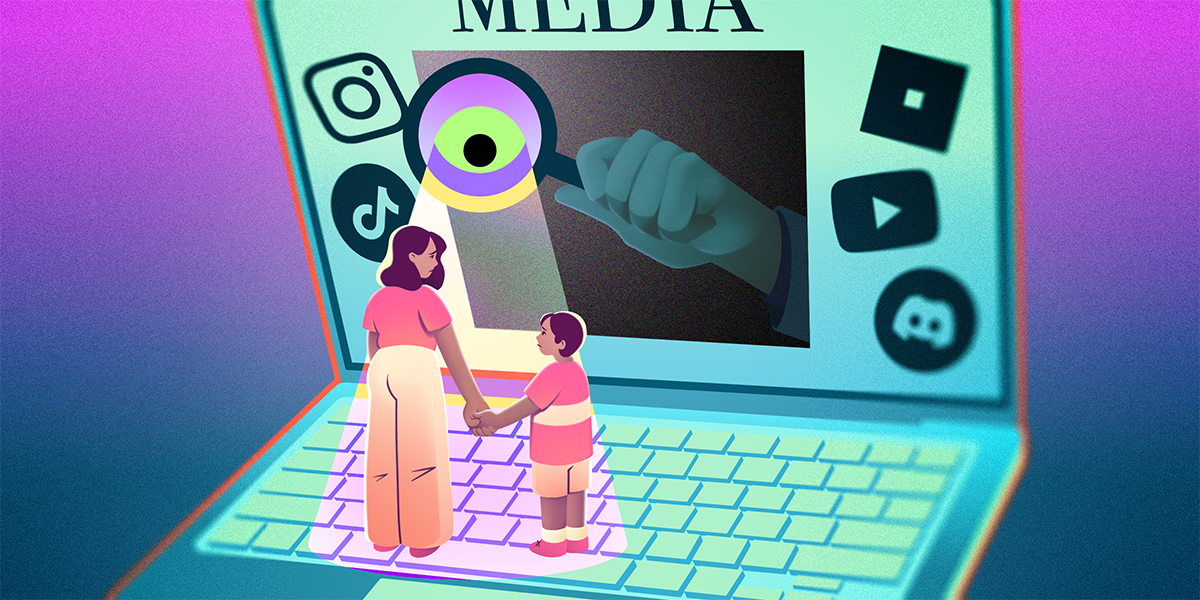
The UK's proposed social media ban refers to new legislation aimed at preventing individuals under the age of 16 from accessing platforms such as TikTok, YouTube, Instagram, and X, with a target implementation date of Spring 2027. Characterized by the government as a necessary response to escalating concerns about online harms for young people, this policy, much like the earlier Online Safety Act, is presented as a crucial safeguard. However, a deeper examination reveals that this sweeping measure risks creating more harm than it prevents, burdening all internet users with proving their age through methods that currently lack reliability and privacy.
The Broader Impact While proponents argue it shields youth from negative online interactions and excessive screen time, the ban fails to acknowledge the significant value young people derive from these platforms. It threatens to cut them off from vital educational content, participation in local community events, and crucial connections with distant friends and family. This article examines how the UK government has consistently pursued age-gating solutions over the past decade, often under the influence of figures advocating for such bans despite scientific doubt about their research. The current proposal represents the latest iteration of a flawed approach that prioritizes headline-grabbing policies over effective, proportionate, and rights-respecting internet governance, raising serious questions about the future of a safe and free online environment for everyone.
The UK's proposed social media ban for under-16s, slated for 2027, represents a troubling culmination of repeated attempts to regulate online life through broad, sweeping restrictions. Despite being framed as a necessary protection against online harms, this policy, much like the controversial Online Safety Act, fundamentally misinterprets the internet's intricate ecosystem. It relies on age verification methods that are not only technologically unreliable but also inherently privacy-invasive, effectively forcing all users to prove their age without a robust, universal solution. Simultaneously, it risks severing young people from vital educational content, critical civic engagement, and essential social connections, proving disproportionate to its stated aims and creating more problems than it purports to solve. This approach prioritizes reactive legislation over effective, proportionate solutions that respect fundamental rights.
A Precedent for Control
The broader implications of this ban resonate far beyond the United Kingdom's borders. This legislation sets a dangerous precedent, signaling a global acceleration of governmental overreach into individual digital freedoms and the structure of the open internet itself. It risks inspiring similar, equally flawed policies in other nations grappling with the complexities of the digital age, particularly those prone to moral panic rather than nuanced, evidence-based understanding. This approach fundamentally shifts control over technology use from families and educators to state regulators, eroding personal autonomy and undermining the development of essential digital literacy skills. Ultimately, such measures threaten to fragment the open internet, limiting access to information, expression, and global communities, moving us towards a future where national governments increasingly dictate the parameters of online engagement for all citizens, rather than fostering a safe and free digital environment.
Frequently asked questions
- What are the details of the UK's proposed social media ban for users under 16?
- The UK government plans to ban social media access for individuals under 16, starting Spring 2027. This policy, introduced via the Children’s Wellbeing and Schools Bill, aims to prevent online harms for young people. It encompasses major platforms like TikTok, YouTube, and Instagram. Critics argue it restricts access to educational content and social connections, while raising concerns about effective and privacy-preserving age verification methods.
- How will the UK government verify users' ages to enforce the social media ban?
- The UK government intends to use "highly-effective age assurance measures" to enforce the ban. However, a reliable, privacy-preserving method for verifying the age of every internet user does not currently exist. Age verification methods vary between platforms, posing challenges for universal implementation and raising concerns about potential compromises to user privacy across the internet.
- What are the main criticisms and concerns regarding the UK's social media ban for children?
- Critics argue the social media ban, while ostensibly protecting young people, will cause more harm than good. Concerns include the loss of access to educational resources, local event information, and connections with distant friends and family. Additionally, there are significant doubts about the effectiveness and privacy implications of age verification technologies. Opponents also suggest it removes decisions about technology use from families and places them with government regulators.