The Senate Should Reject KOSA's Privacy Risks
Original reporting by Electronic Frontier Foundation
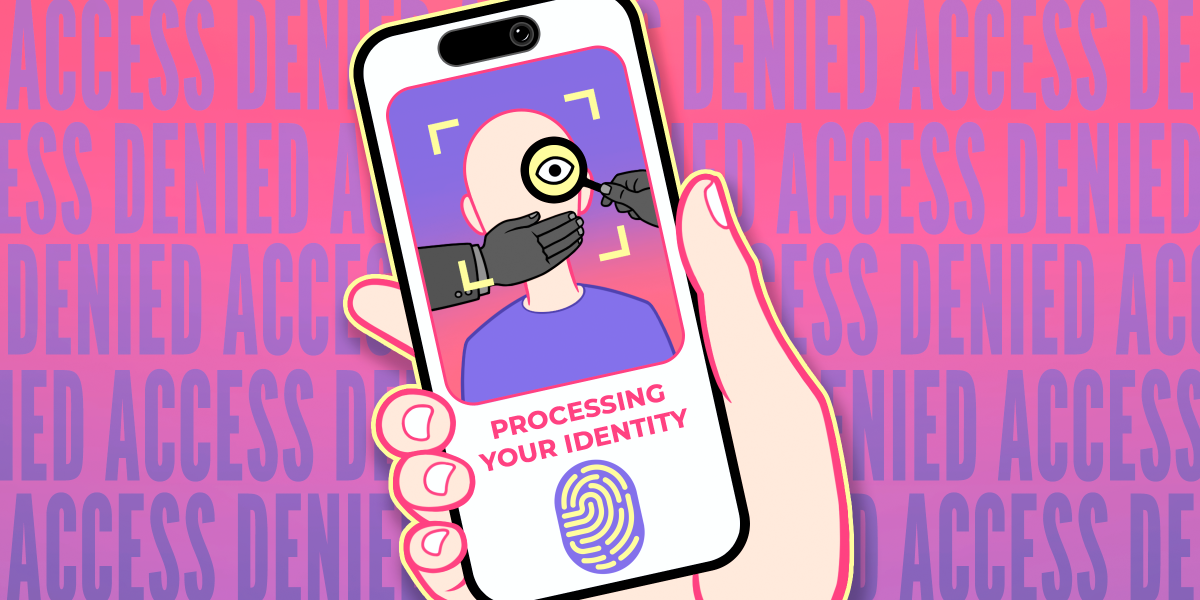
The Kids Online Safety Act (KOSA) is a piece of proposed U.S. Senate legislation aimed at protecting minors online by imposing a "duty of care" on digital platforms. Currently under consideration by the Senate Commerce Committee alongside related bills like the SCREEN Act and the CHATBOT Act, KOSA’s stated goal is to shield young people from harmful material. However, a closer examination reveals that the legislation, rather than enhancing online safety, presents significant threats to the privacy and free expression of all internet users.
At its core, KOSA’s “duty of care” would pressure online services to implement age verification or estimation systems to identify minors. This requirement immediately creates a paradox: to "protect" privacy, platforms would be compelled to collect more sensitive personal information—such as government IDs, facial scans, or bank records—from their users. Such systems not only centralize vast troves of data, making them prime targets for breaches, but also force individuals to sacrifice anonymity to access lawful online content.
Censorship incentives Beyond privacy concerns, KOSA introduces powerful incentives for platforms to restrict lawful speech. By empowering state attorneys general to enforce vague standards of what constitutes "harmful" content, the bill risks shifting content moderation decisions from families to government officials. To avoid potential legal liability, platforms are likely to over-censor, removing controversial but lawful discussions, or even vital support forums on topics like mental health or addiction, thereby cutting off young people from crucial resources. The article argues that Congress should reject KOSA, advocating instead for comprehensive privacy legislation that safeguards everyone without compromising fundamental digital rights.
Ultimately, the proposed legislative package, including KOSA, represents a critical juncture for online policy. While ostensibly designed to safeguard minors, these bills risk fundamentally altering the digital landscape by institutionalizing broad age verification requirements and incentivizing the pre-emptive censorship of lawful discourse. The collection of extensive personal data for age-gating, whether through government IDs or biometric analysis, not only erodes individual privacy for all users but also creates lucrative new targets for data breaches and governmental requests. This approach, rather than fostering a truly safer environment, inadvertently erects barriers to free expression and access to crucial support communities, particularly for vulnerable youth discussing sensitive topics that may be deemed "harmful" by state attorneys general.
Shaping the Digital Future
The implications of such legislation extend far beyond current debates, impacting the foundational principles of an open internet. Passing KOSA and similar bills would set a dangerous precedent, embedding a surveillance-oriented architecture into the very fabric of online interaction. This shifts the power dynamic, enabling government officials to dictate acceptable online content and potentially chilling innovation by forcing platforms into overly cautious, restrictive stances to avoid liability. The long-term impact could be an increasingly segmented and controlled online experience, where access to information and community is conditional, undermining the universal, accessible nature that has fueled digital progress. True online safety for all—minors and adults alike—demands comprehensive, privacy-first legislation that champions universal rights and empowers users with robust controls, rather than eroding them through age-based restrictions, mandatory data collection, and government oversight of speech. This legislative path must prioritize universal protections over piecemeal, reactive measures that inadvertently compromise the very freedoms they seek to protect.
Frequently asked questions
- What is the Kids Online Safety Act (KOSA) and what are its main objectives?
- The Kids Online Safety Act (KOSA) is proposed U.S. legislation intended to protect minors online. It aims to achieve this by imposing a "duty of care" on online services, requiring them to mitigate certain harms to young people. Critics argue this approach could lead to increased data collection for age verification and incentivize platforms to restrict lawful content to avoid legal liability.
- How might the Kids Online Safety Act affect online user privacy and data collection?
- KOSA is expected to pressure online services into implementing age verification or age estimation systems. This would require users to provide more sensitive personal data, such as government IDs or biometric information, simply to access lawful content. Such systems create new databases of personal information, increasing risks of data breaches, misuse, or government demands for sensitive user data.
- Does the Kids Online Safety Act pose risks of restricting online free speech?
- Yes, KOSA's "duty of care" requirement to mitigate harms to minors could incentivize platforms to remove lawful speech to avoid liability. Faced with potential legal action from state attorneys general, companies might err on the side of caution, leading to broad censorship of forums and discussions, even those offering support. This could limit access to information for both minors and adults.