Tech Companies Are Trying to Shift the Entire Concept of Privacy (Again)
Original reporting by Electronic Frontier Foundation
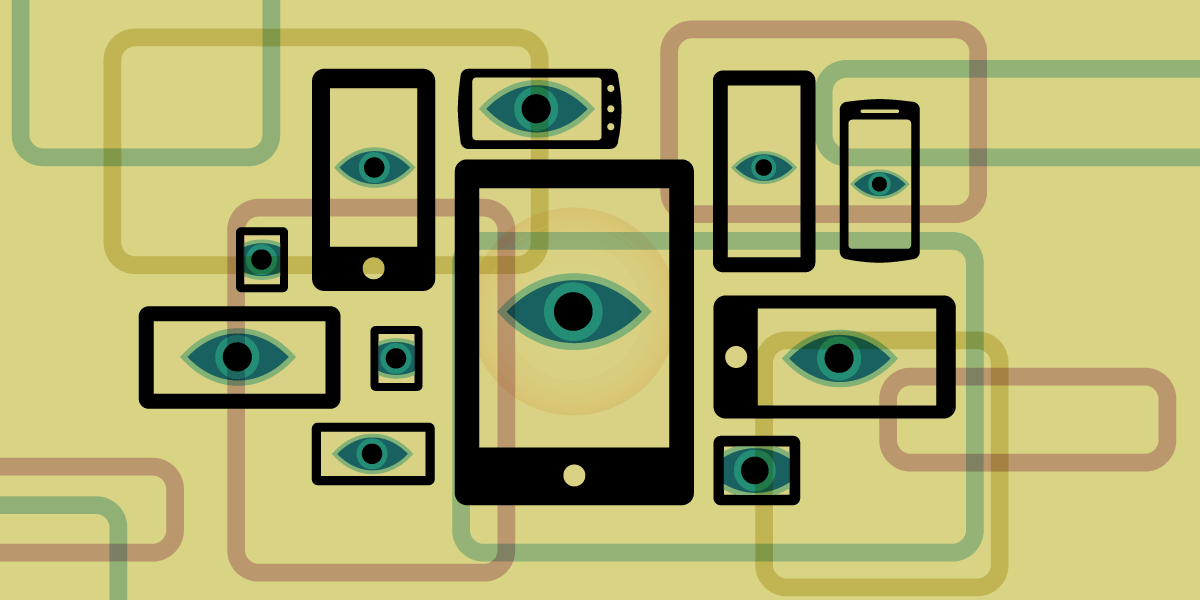
Ambient surveillance devices refer to a new category of consumer technology, including smart glasses, watches, pendants, and rings, designed to continuously record, transcribe, or summarize everything users see and hear throughout the day. What companies once framed as a personal privacy choice is rapidly transforming into a collective challenge, profoundly affecting everyone in the vicinity of these always-on gadgets. From Meta's AI-powered glasses to Apple's Audio Intelligence and Amazon's Bee devices, these products push recording capabilities deeper into our physical interactions.
Tech companies tout sophisticated on-device processing and user-controlled privacy settings, but these assurances overwhelmingly focus on the *device owner*. They largely ignore the crucial question of consent and the privacy of *bystanders*—colleagues, friends, and strangers—who find themselves unknowingly captured by these covert recording tools. This creates an unreasonable burden, expecting individuals to be experts in the capabilities of every discreet device they encounter.
Beyond Technical Fixes
This shift doesn't merely present technical or legal conundrums; it fundamentally erodes long-standing social norms. Unlike overt recording devices, this new wave is designed for passive, continuous monitoring, breaking the unspoken agreement that conversations are private and spontaneous. The article explores how these devices challenge our understanding of consent, the limits of technical protections, and the profound social implications when every interaction can be discreetly documented, urging a critical reevaluation of their role in our lives.
The proliferation of ambient surveillance devices marks a profound and unsettling shift in the nature of privacy, transforming it from a personal choice into a shared, often unavoidable, communal burden. Companies’ technical assurances for device users fundamentally sidestep the critical issue of bystander consent, leaving countless individuals without agency in a world where their every interaction might be passively recorded, summarized, or analyzed. This technological push challenges not only existing legal frameworks but also deeply ingrained social norms that underpin trust and open communication, placing an unacceptable burden on conversational privacy for everyone.
Reshaping Human Interaction The implications of this trajectory extend far beyond the immediate utility or perceived convenience of individual devices. If left unchecked, the widespread adoption of always-on recording technologies risks eroding the very fabric of spontaneous human interaction, transforming public and semi-private spaces into perpetual surveillance zones. Trust, a cornerstone of social engagement, could diminish as conversations are perpetually subjected to potential documentation, summaries, or transcription, whether by individuals or eventually by AI systems. This future demands more than technical assurances or individual pleas for responsible use; it necessitates a collective re-evaluation of our social contract around privacy, now deeply intertwined with our physical environments. Governments, industries, and the public must collaborate to establish clear ethical guidelines, robust legal protections for the unconsenting, and strong mechanisms for accountability, preventing a future where the right to be unobserved becomes a luxury, rather than an inherent societal expectation. The battle for privacy in the digital age now extends emphatically into the physical spaces we inhabit, requiring collective vigilance and proactive shaping of our technological destiny.
Frequently asked questions
- How do smart glasses and wearables affect bystander privacy with their recording capabilities?
- New smart devices like glasses and watches often feature always-on recording or transcription, capturing data from everyone nearby. Unlike traditional recording, these gadgets are designed for discreet, continuous monitoring. This means individuals can be recorded, transcribed, or summarized without their knowledge or explicit consent, fundamentally eroding their ability to opt out of surveillance. Bystanders have no technical protection against being captured by these pervasive technologies.
- What privacy challenges do always-on recording smart devices like watches and glasses present?
- These devices normalize constant documentation of conversations and actions, making privacy a "team sport" where one person's choices impact everyone present. They create a burden on non-users to understand complex tech capabilities and constantly navigate potential recording. Furthermore, while companies emphasize user control, these technical assurances rarely extend to bystanders, leaving them vulnerable to data capture and potential access by law enforcement without their consent or awareness.
- Are existing laws and social norms sufficient to address pervasive ambient recording devices?
- Existing laws, like those requiring consent for recording, struggle to apply to devices designed for passive, continuous capture. Social norms against secretly documenting conversations are also challenged by these covert technologies, which differ from overt recording with phones. The constant possibility of being recorded without clear signals or explicit consent breaks down trust and spontaneous interaction. Neither current legal frameworks nor established social etiquette adequately address the unique challenges of ambient surveillance.