Require Police to Get a Warrant to Search ALPR Data
Original reporting by Electronic Frontier Foundation
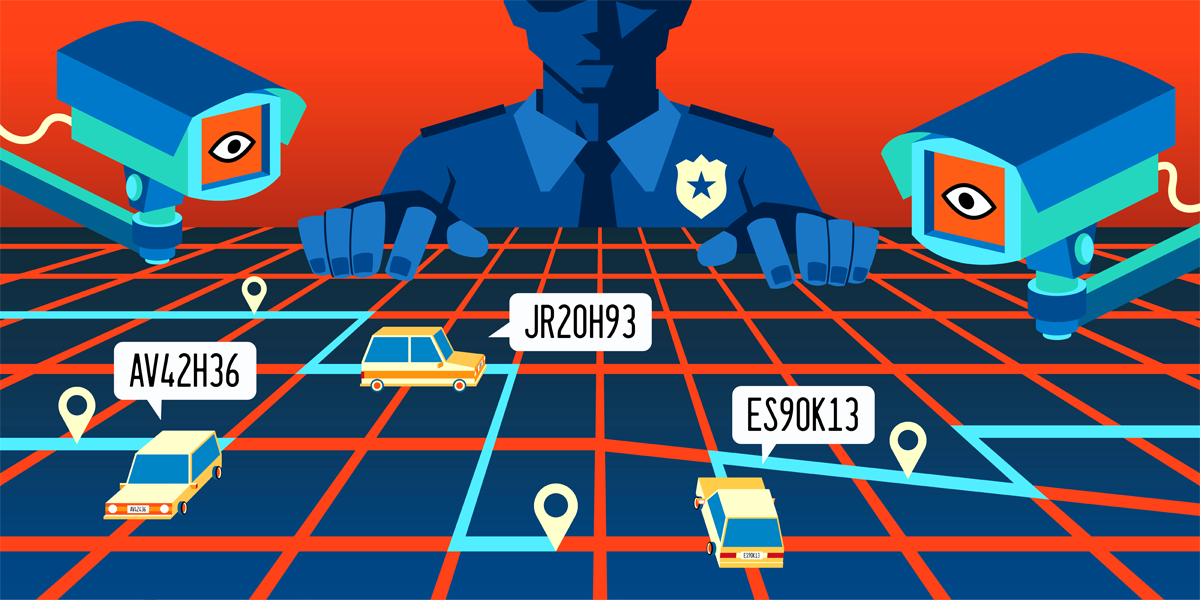
Automated license plate readers (ALPRs) are surveillance devices that photograph every passing car, logging its location and time to build extensive, searchable records of vehicle movements. These systems constitute mass surveillance, amassing sensitive data on the travels of millions—information that, in the wrong hands, poses a significant threat to privacy and civil liberties. The unfettered access to this vast database of personal journeys has led to widespread documented abuses, from racial profiling and monitoring of protesters to investigating abortions and even stalking private citizens. Cities should ideally dismantle ALPR systems entirely, but where they persist, a crucial safeguard is imperative.
The Warrant Imperative
Without an independent judicial check, law enforcement officers have too often accessed ALPR data for improper, unconstitutional reasons, leaving individuals vulnerable only after the harm is done. The Fourth Amendment's warrant requirement, demanding probable cause and specific justification before a neutral judge, offers a time-tested mechanism to prevent such abuses. This piece argues that mandating a warrant for police searches of stored ALPR data is not just a legal necessity but a moral imperative, providing essential oversight and protecting fundamental rights against the pervasive reach of unchecked surveillance technology. From casual searches logged as "LMAO" to tracking critics and immigrants, the current landscape illustrates a profound lack of accountability. Requiring a warrant would force law enforcement to justify these searches *before* accessing sensitive location records, ensuring an independent review that safeguards constitutional rights.
The pervasive nature of Automated License Plate Readers, logging the movements of virtually every vehicle, demands a fundamental re-evaluation of how law enforcement accesses this vast repository of sensitive personal data. As numerous documented examples demonstrate—from racial profiling and monitoring protesters to investigating abortions and personal stalking—the absence of a warrant requirement has enabled widespread abuse and the erosion of fundamental rights. Implementing an independent judicial check, where officers must establish probable cause and specificity before accessing stored ALPR data, is not merely a procedural adjustment; it is an indispensable defense against unchecked state surveillance and a critical step towards reining in a technology with immense potential for harm. The warrant requirement ensures that powerful tools are wielded with justified cause, not arbitrary whim or malicious intent, fostering accountability and restoring public trust.
Future of Surveillance
This imperative to secure warrants for ALPR data extends far beyond the technology itself, serving as a vital bellwether for how societies will navigate the growing landscape of pervasive digital surveillance. As artificial intelligence and ubiquitous data collection continue to advance, the legal frameworks established today will set crucial precedents for future technologies, from facial recognition to predictive policing algorithms. The struggle to impose independent judicial oversight on ALPRs underscores a broader societal challenge: preserving privacy, upholding due process, and maintaining the delicate balance between public safety and individual liberty in an increasingly monitored world. Ensuring robust safeguards now is paramount; the decisions made regarding these systems will profoundly influence the contours of freedom and the nature of governmental power in the digital age for generations to come.
Frequently asked questions
- What are automated license plate readers (ALPRs) and what data do they collect?
- Automated license plate readers (ALPRs) are camera systems that photograph every passing vehicle, recording its license plate, precise location, date, and time. This technology builds vast, searchable databases detailing vehicle movements over time. Used by law enforcement and private entities, ALPRs accumulate extensive records of where individuals drive, potentially revealing highly sensitive information about their daily routines, private activities, and associations, essentially creating a comprehensive digital trail of their travels.
- Why should police obtain a warrant before searching stored automated license plate reader data?
- Police should obtain a warrant to search stored ALPR data because it reveals sensitive location information, detailing where and when individuals travel. A warrant, based on probable cause and issued by a neutral judge, provides a crucial independent check on police power. This ensures searches are justified and protects Fourth Amendment rights against unreasonable surveillance, preventing arbitrary access to vast amounts of personal movement data, similar to protections applied to historical cell phone location records.
- What kinds of misuse or abuse occur when police access ALPR data without a warrant?
- Without a warrant requirement, ALPR data can be misused in numerous ways. Documented abuses include racial profiling, surveillance of political protesters, investigations into protected activities like abortions, tracking immigrants for deportation, and retaliation against individuals who criticize law enforcement. Officers have also allegedly used ALPRs to stalk romantic partners or for no stated reason, highlighting how unchecked access can lead to significant privacy violations and abuses of power.