More License Plate Reader Mission Creep: School Residency Verification, Background Checks, and Noise Complaints
Original reporting by Electronic Frontier Foundation
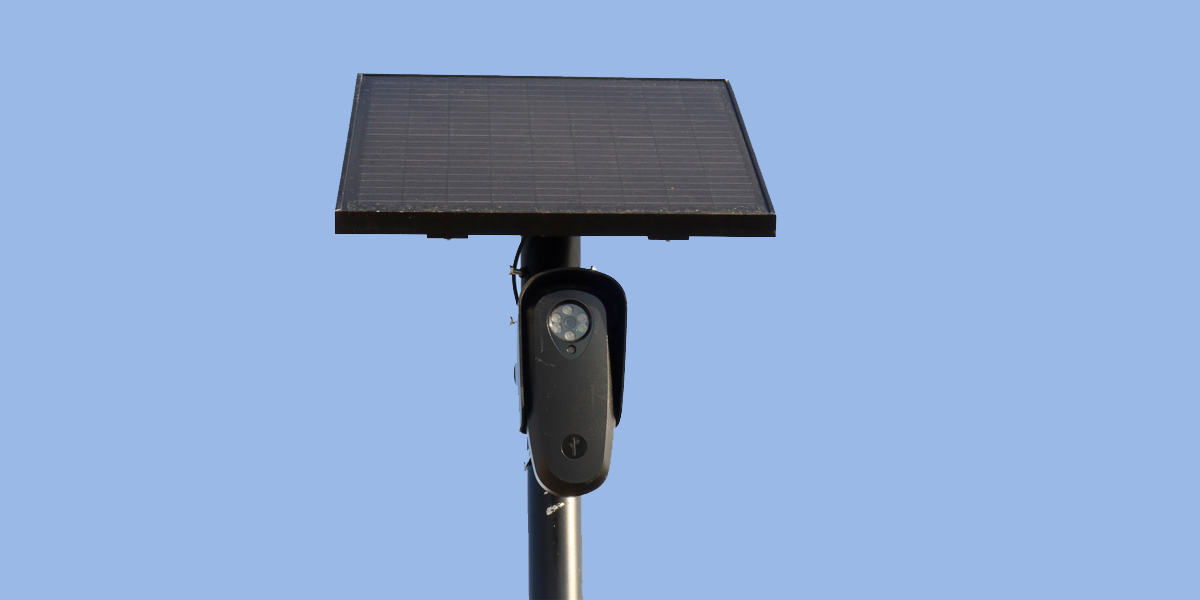
An analysis of millions of police searches of Flock Safety automated license plate reader (ALPR) data by the Electronic Frontier Foundation (EFF) has unveiled a concerning trend: without a warrant requirement, law enforcement agencies are deploying these powerful surveillance networks for purposes far removed from serious crime investigations. Touted by vendors and police as vital tools against high-stakes offenses, ALPRs are instead increasingly becoming a dragnet for trivial matters, granting officers unrestricted access to sensitive location data that captures virtually every vehicle passing their cameras. This lax approach has fostered a culture of unrestricted access, allowing agencies to leverage this data well beyond its intended scope.
Expanding surveillance
Our findings reveal a troubling mission creep, transforming an alleged crime-fighting technology into a universal tracker of public movement. Far from targeting dangerous criminals, police have leveraged ALPR databases for mundane tasks such as verifying school residency for children—often without specific suspicion—conducting employment background checks, and even investigating minor complaints like loud music. These widespread searches, which can span thousands of interconnected camera networks, effectively create a national web of surveillance that captures every passing vehicle's make, model, color, and distinguishing characteristics, alongside the date, time, and location. This unchecked expansion bypasses traditional due process, allowing agencies to track individuals' routines, travel patterns, and personal activities without judicial oversight, fundamentally altering the nature of public privacy and turning a convenient shortcut into a constant watch.
The EFF's extensive analysis of Flock Safety ALPR data lays bare a disturbing reality: without judicial oversight, these powerful surveillance tools are being routinely co-opted for purposes far removed from serious crime. What began as a promise to solve high-stakes cases has metastasized into a pervasive system used for everything from school residency checks to noise complaints and even employment background screens. This mission creep is not merely an incidental misuse but a direct consequence of unchecked access, fundamentally altering the relationship between citizens and the state. It normalizes a "shortcut around due process," eroding fundamental legal protections by treating every citizen's movement history as an open book, accessible without a shred of judicial review.
The Future of Surveillance
This unchecked access transforms ALPR networks from targeted investigative aids into universal trackers, logging the movements of millions without suspicion. The indiscriminate sharing of data further amplifies this reach, creating a de facto nationwide surveillance grid searchable for virtually any reason. The implications extend far beyond individual privacy violations, threatening civil liberties by enabling surveillance of protected activities like protest, or targeting vulnerable populations based on ethnicity or personal choices. The trajectory points towards an increasingly surveilled society where individuals' movements are constantly logged and searchable, creating a chilling effect on personal freedom and democratic participation. This trend demands urgent attention from policymakers, legal bodies, and the public. Without robust legal frameworks—specifically, a warrant requirement for ALPR data access—and public demand for accountability, this unchecked power will only expand, further cementing a future where privacy is an illusion and mass surveillance is the norm.