EFF to Courts: Don’t Rewrite Copyright Over AI Hype
Original reporting by Electronic Frontier Foundation
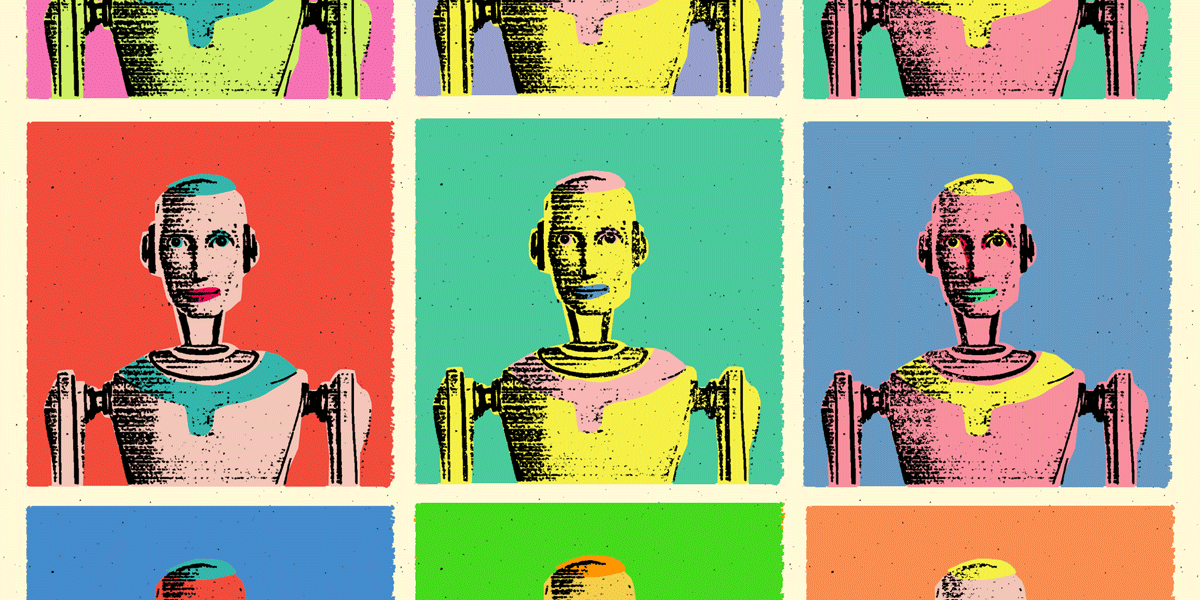
The "market dilution" theory refers to the claim by some copyright holders that generative AI tools will devastate creative markets, thus necessitating a dramatic expansion of copyright protections to control non-infringing works. This argument echoes historical copyright panics, such as the dire warnings in the 1980s that videotape recorders (VTRs) would destroy the film industry, or early 20th-century fears that player pianos would end music composition. In those instances, courts wisely resisted calls to rewrite copyright law in response to new technologies, recognizing their capacity for non-infringing uses and their potential to spark new forms of creativity.
The AI Challenge
Today, generative AI has ignited the latest wave of anxiety and a surge of litigation, with rightsholders asking courts to abandon centuries-old principles. They contend that unless copyright law expands to grant control over works that merely *compete* with existing creations—even if they are non-infringing—an imagined flood of AI-generated content will irrevocably harm markets. However, this perspective fundamentally misunderstands copyright’s constitutional purpose: to promote the creation of expressive works for public benefit, not to suppress competition or lock in profits for existing gatekeepers. Far from solely displacing human artistry, AI is already proving to be a powerful tool that augments creativity, opening new artistic avenues and fostering innovation across diverse fields. As with past technological shifts, courts are urged to exercise similar caution, ensuring copyright remains a tool for encouragement rather than restriction.
As history repeatedly demonstrates, technological shifts often trigger disproportionate anxieties over copyright. The current debate surrounding generative AI is no exception, with calls to dramatically expand existing protections mirroring past panics over VTRs or player pianos. Courts must remain vigilant against these hyperbolic claims, resisting the temptation to rewrite established copyright principles designed to promote, not stifle, creativity.
Shaping Creative Futures The judiciary's stance in these landmark cases will send a powerful signal, not just to AI developers and rightsholders, but to the entire creative ecosystem. Should courts yield to demands for expanded control based on speculative "market dilution," they risk establishing a precedent that fundamentally undermines fair use, stifling the very innovation copyright is meant to foster. This would not only impede the emergence of new art forms and industries but also consolidate power among existing gatekeepers, limiting public access and diverse expression.
Conversely, by upholding copyright's foundational balance—punishing infringement while encouraging competition and building upon existing works—courts can clear a path for a vibrant future. This approach acknowledges AI as a versatile tool, capable of augmenting human creativity in myriad ways, as evidenced by its diverse applications across art, music, and journalism. Embracing this perspective ensures that copyright serves its constitutional purpose: fostering a dynamic landscape where new ideas, creators, and markets can flourish, ultimately enriching society as a whole rather than preserving the status quo.
Frequently asked questions
- What is the "market dilution" theory and why are copyright owners using it against AI?
- Copyright owners are employing the "market dilution" theory, arguing that generative AI tools will encourage a flood of competing works, thus diminishing the value of human-created content. They claim this necessitates expanding copyright protections to control non-infringing AI outputs. However, critics argue this approach would undermine copyright's constitutional purpose of promoting new creation and fair use, effectively allowing rightsholders to suppress legitimate competition and innovation in creative markets.
- How have courts historically responded to new technologies raising copyright infringement concerns?
- Courts have historically been cautious about dramatically expanding copyright law in response to new technologies. In the 1980s, the Supreme Court ruled that videotape recorders were capable of substantial non-infringing uses, despite rightsholder claims of mass infringement. Prior concerns about player pianos or cameras destroying music or art also proved unfounded. This pattern suggests that courts should avoid rewriting copyright law based on hyperbole and speculation surrounding new technological innovations like AI.
- How is generative AI impacting human creativity and the creation of new artistic works?
- Generative AI is increasingly being used by artists and creators to augment human creativity, explore new artistic forms, and reimagine genres across various media. Examples include creating Afro-futurist art, reimagining science fiction, producing non-linear documentary films, and generating music that dynamically changes with each playback. This experimentation suggests AI can foster new ideas, markets, and diverse artistic expressions, aligning with copyright's goal of promoting the creation of expressive works for public benefit.