EFF Statement on California Governor's Executive Order on AI
Original reporting by Electronic Frontier Foundation
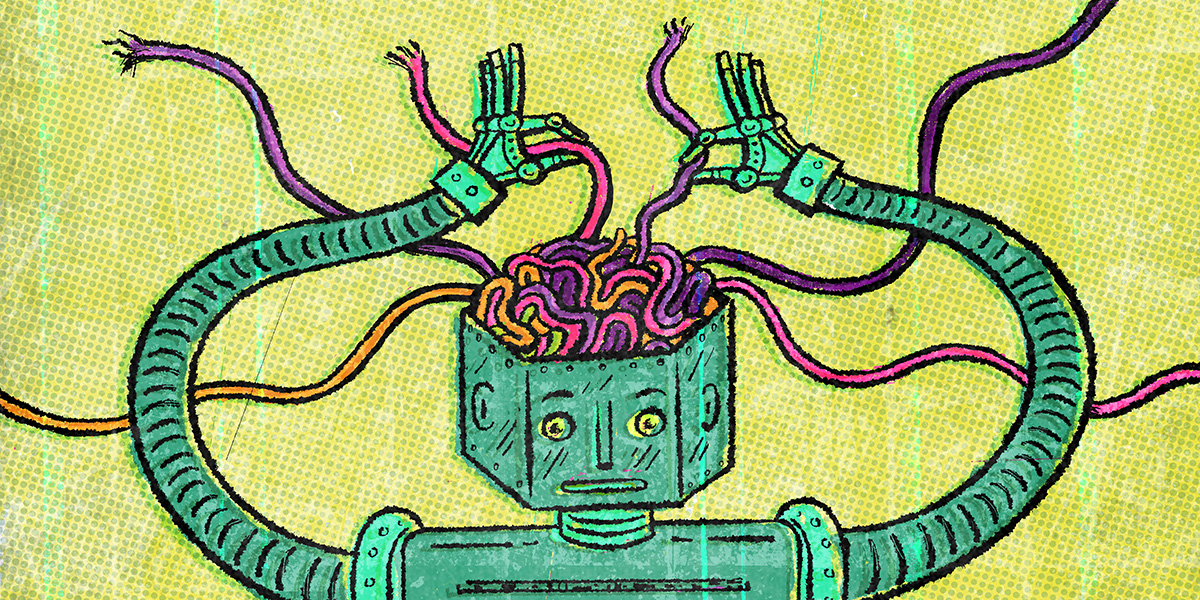
California Governor Gavin Newsom's executive order on artificial intelligence (AI) presents a crucial opportunity for the state to lead a needed, thoughtful conversation about the technology's potential harms and responsible development. Organizations like the Electronic Frontier Foundation (EFF) welcome this initiative as a vital step to address the very real anxieties Californians feel about AI’s impact. However, the article emphasizes that the most immediate and pressing concerns with AI are not speculative sci-fi scenarios involving rogue super-intelligence. Instead, these harms are already manifest in issues like biased algorithmic decision-making for employment or government benefits, widespread AI-powered surveillance systems, and artificially inflated personalized pricing. The EFF urges Governor Newsom to develop concrete policies that directly address these present-day risks.
Focusing on Present Harms
To achieve true safety, the EFF advocates for specific measures, including strengthening reporting requirements for AI incidents, such as those under SB 53, and expanding the availability of third-party investigations, while urging consideration for smaller developers. The organization also cautions against over-reliance on "kill switches" in advanced AI systems, noting that their effectiveness remains an area of active research, and that government-controlled versions risk being misused against protected speech. Ultimately, the EFF believes California must prioritize policies that ensure algorithmic decision-making in both public and private sectors respects people’s rights and well-being, fostering collaboration with those most at risk of harm.
California's executive order on AI represents a critical juncture, signaling a commitment to addressing artificial intelligence’s profound societal impact. While welcomed as a constructive starting point, the ultimate measure of its effectiveness will be its direct engagement with the tangible, immediate harms impacting Californians today. Addressing issues like algorithmic bias in employment and benefits, pervasive AI surveillance, and discriminatory personalized pricing must remain the administration's foremost priority. True safety, as advocated, demands thoughtful, precise, and inclusive policy development, ensuring the voices of those most impacted by AI are central to the regulatory process.
Shaping AI's Future
This initiative transcends California's borders, positioning the state as a potential blueprint for how other jurisdictions, and indeed the federal government, might approach AI governance. As a global technology hub, California's policy choices often ripple outwards, influencing national discourse and subsequent regulatory frameworks. The equilibrium struck here—between fostering innovation and safeguarding civil liberties and consumer rights—will be closely watched. It underscores the enduring challenge of crafting agile policy in a rapidly evolving technological landscape, demanding regulators to be both forward-thinking and responsive to present realities. The future of AI's integration into society hinges on robust, ethical frameworks. California's pioneering efforts could thus lay foundational elements for a more equitable and human-centered AI ecosystem, urging a global shift towards responsible AI deployment.
Frequently asked questions
- What is California's current approach to regulating artificial intelligence and its potential impacts?
- California is addressing artificial intelligence through Governor Gavin Newsom's executive order. This order aims to foster a thoughtful conversation about AI's potential harms and opportunities. The state is encouraged to prioritize policies that tackle immediate, tangible issues like algorithmic bias, AI-powered surveillance, and personalized pricing, rather than focusing solely on speculative future risks. The goal is to ensure AI respects people's rights and well-being.
- What are the most pressing, real-world harms of AI that policymakers should address today?
- The most immediate and current harms of artificial intelligence are not futuristic sci-fi scenarios. Instead, they involve real-world issues like biased algorithmic decision-making affecting employment or government benefits. Other pressing concerns include AI-powered surveillance systems, such as advanced cameras, and artificially inflated personalized pricing schemes. Policymakers are urged to develop thoughtful solutions for these concrete challenges that directly impact people's rights and well-being today.
- What specific policy considerations are important for effective and safe AI regulation in California?
- Effective AI regulation in California requires several considerations. Expanding reporting for "loss-of-control" incidents and ensuring third-party investigations are crucial, ideally accessible for smaller developers. Policymakers should also acknowledge that the effectiveness of "kill switches" in advanced AI is still being researched. Moreover, caution is advised against government-controlled kill switches, which could potentially be misused against protected speech. Any regulation targeting AI cybersecurity must be careful, precise, and practical to avoid unintended consequences.